Stepping into my rural health posting, I carried the mindset of a tertiary care centre — immediate access to every investigative machine, a superspecialist for almost every disease. Moving to a remote area meant relying on my own skills and clinical judgement, with far less reliance on diagnostic modalities. It forced me to rise above my constraints.
Rural posting helped me become a complete doctor, fast. In a city hospital you are one of fifty; in a rural Primary Health Centre (PHC), you are the doctor — handling a critical road traffic accident, managing deliveries in the dead of night, attending snake bites, dog bites, and scorpion stings, and responding to medical emergencies like myocardial infarction and cerebrovascular accidents. When such emergencies arrived, there was no time for hesitation.
A Night with an Elderly Farmer
One experience remains etched in my memory: an elderly farmer arrived with sudden, severe chest pain radiating to his left arm, profuse sweating, and breathlessness — all pointing to a myocardial infarction. We immediately assessed his airway, breathing and circulation, established intravenous access, and obtained an ECG. Emergency treatment followed protocol: oxygen only where clinically indicated, aspirin, clopidogrel, a statin, pain relief, and supportive care. The nearest higher centre was several kilometres away. After stabilising him, we arranged an urgent referral for further cardiac management.
In rural medicine, early recognition and prompt stabilisation often determine survival.
— Lesson from the PHCManaging such high-stakes cases was demanding, but the exposure was priceless. My clinical eye sharpened, and my confidence grew alongside it.
What the OPD Actually Looks Like
Through the posting I saw a complex mix of health problems: seasonal fevers, gastrointestinal infections, respiratory illness, anaemia, nutritional deficiencies, and maternal and child health concerns were the most common presentations.
My OPD was consistently filled with complaints of musculoskeletal strain. The constant bending, harvesting, and heavy lifting inherent to farming take a real toll on the body, and managing these injuries with repeated, quick-fix painkillers felt like treating the same wound over and over.
I was struck by how many patients presented with unmanaged hypertension and diabetes mellitus. These are no longer "urban lifestyle diseases" — they are rural realities too.
NFHS-5 data show hypertension prevalence in rural India at around 21%, rising steeply with age, with diabetes and hypertension increasingly clustering together across both rural and urban populations [1].
Limited access to timely, specialised care remained one of the greatest challenges. Financial constraints, low awareness, and delayed health-seeking behaviour often meant patients arrived with advanced disease.
"Just the Injection"
Many rural patients place their trust in allopathic medication, often asking for instant relief — an injection, a strong fast-acting pill. In a rural setting, health is tied directly to daily survival: a single day off can mean losing a day's wages.
A middle-aged woman who worked in the fields came in for the fourth time in two months with low back pain, each time requesting "the injection" that gave her a day or two of relief before she returned to work. This time, we tried something different: locally administered Snehana (therapeutic oiling) and Swedana (localised steam fomentation) at the PHC, alongside simple posture and rest advice she could realistically follow between farming cycles.
She reported longer-lasting relief than she had experienced with analgesics alone, and returned weeks later — not with pain, but to ask if her husband could try the same. This is a single case, not a controlled comparison, but it points to a gap worth exploring further.
The pressure to return to work drives heavy reliance on allopathic drugs. It also reveals a real opportunity for improvement and education at the rural level.
Where Ayurveda Fits
Ayurveda's classical texts describe Swasthavritta — the science of preserving health through daily and seasonal regimen — as being just as central to medicine as treating disease itself. Acharya Charaka opens the Sutrasthana of the Charaka Samhita with an entire discussion on Dinacharya (daily regimen) and Ritucharya (seasonal regimen) precisely because prevention was considered inseparable from cure [2].
Introducing simple, effective interventions like Snehana and Swedana directly at the PHC level — procedures the Ashtanga Hridaya describes in detail as Purvakarma (preparatory measures) for relieving Vata-predominant musculoskeletal pain [3] — showed me that traditional therapies can offer durable relief without adding to the burden of long-term pharmaceutical dependence.
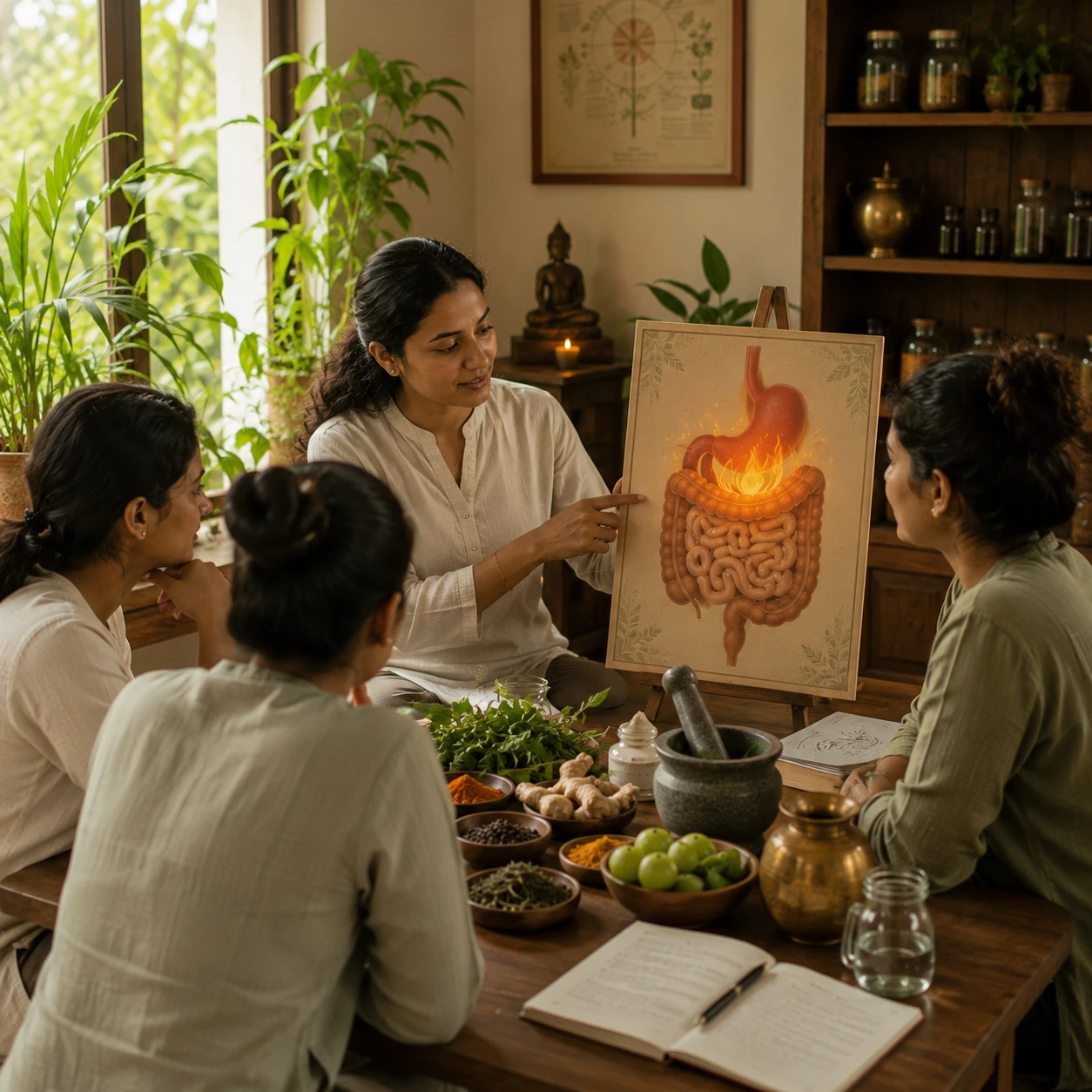
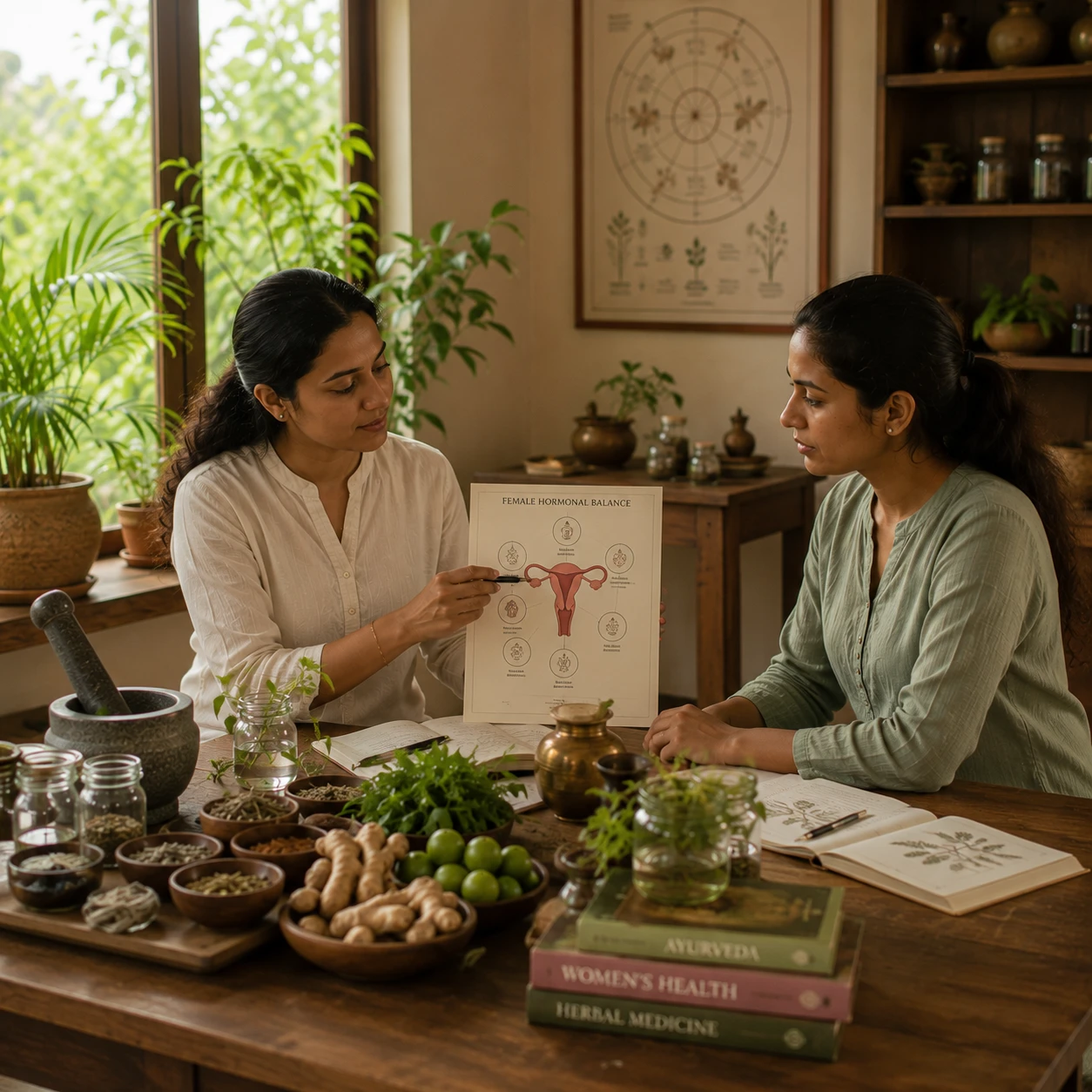
We have a genuine opportunity to bridge this gap with the help of ASHA workers. These health workers can regularly teach the pillars of Swasthavritta, emphasising the importance of Aahar (diet), conduct dietary counselling around iron-rich, locally available foods for anaemia patients, and introduce Garbhasanskar — holistic prenatal care and lifestyle practice described in both the Charaka and Sushruta Samhitas — to expecting mothers [4, 5].
Garbhasanskar aligns well with the National Rural Health Mission's focus on reducing maternal and infant mortality through culturally acceptable, holistic prenatal counselling [6].
Shifting the community's mindset toward trusting traditional, lifestyle-based medicine may be one of the more sustainable paths forward for rural primary care.
What Stayed With Me
The best part of the posting was the genuine respect, warmth, and gratitude I received from the rural community. It gave a kind of job satisfaction money cannot buy — in their eyes, the physician is the ultimate saviour, and that reputation carries real weight.
Rural Health posting was not just a mandatory rotation. It reshaped my understanding of equity, resourcefulness, and the true meaning of primary health — and it turned me from a doctor who treats symptoms into the confident healer I always hoped to become.